


Buying a home in Chicago can mean buying into a high-rise homeowners association, taking on a vintage building’s maintenance needs, or becoming a landlord in a two-flat. Each option comes with distinct costs and responsibilities that the asking price alone won’t tell you right away.
What you can buy and what you should consider can vary considerably depending on where exactly in Chicago you’re searching.
Here’s what to consider as you narrow your search, prepare an offer, and work toward closing.
Table of Contents
- What to expect from Chicago’s real estate landscape
- Choosing from Chicago’s diverse neighborhoods
- What to keep track when comparing ownership costs
- Key property details to scrutinize when buying in Chicago
- How to use comparable Chicago home sales to inform your offer
- Crucial next steps after your offer is accepted
- Find your home in Chicago with The Moon Group
What to expect from Chicago’s real estate landscape
Chicago’s housing options include brick bungalows, condos in older buildings, and modern high-rise residences. You’ll also find townhomes, single-family homes, two-flats and other multi-unit properties, plus new construction.
As you narrow your search, keep these details in mind:
- Architecture – Chicago bungalows and American Foursquares are part of the city’s residential landscape, alongside Queen Anne, Prairie, Colonial Revival, Italianate, and Romanesque Revival buildings. When an older home catches your eye, look into its renovation history and how well its original features have been maintained.
- Bedrooms and layout – Two-bedroom units make up the largest share of Chicago’s housing stock, followed by three-bedroom and one-bedroom units. Those figures include houses, condos, and rental apartments—not just homes currently for sale. Compare usable space and room arrangement as closely as bedroom count.
- Building age – About 39% of Chicago’s housing stock dates to 1939 or earlier. With an older property, find out when the roof, plumbing, electrical systems, and heating equipment were last updated.
- Ownership responsibilities – For a condo or townhome with an association, review what assessments cover and which repairs fall to individual owners. With a single-family home, you’ll maintain the entire property. For an occupied two-flat, existing leases also need attention.
Choosing from Chicago’s diverse neighborhoods
A home near the lakefront may put you close to parks and beaches, while an address farther inland could be closer to your train station or workplace. Once you’ve shortlisted an area, compare individual blocks and the routes you’d actually use on a day-to-day basis.
Chicago’s North Side
On the North Side, look closely at where a home sits within the neighborhood. In Lakeview, a property near Wrigleyville puts you in a different setting from one along the Southport Corridor or near the lakefront. Andersonville’s shops and restaurants cluster along Clark Street, while Edgewater offers lakefront locations farther north.
As you compare homes in these areas and Lincoln Park, check the walk to transit, nearby commercial streets, and parking arrangements. Visit the block at different times to get a clearer picture of traffic and activity.
North Shore
If you’re considering a move north of the city, start with communities such as Evanston, Wilmette, Winnetka, Glencoe, Highland Park, and Lake Forest. Narrow your search by how close you want to be to a downtown district, the lake, or a Metra station.
For a Chicago commute, check the specific train service you’d use and include the trip from home to the station. If schools factor into your decision, verify the assigned schools for each address before making an offer.
Western Suburbs
La Grange, Western Springs, and Hinsdale are examples to explore west of Chicago, with stations on Metra’s BNSF line. If you want to commute by train, compare homes within walking distance of a station with those that would require a drive and commuter parking.
Be specific about what you want from a suburban move. A larger yard, additional bedrooms, or proximity to a downtown district will each lead you toward different properties. Compare those priorities with the full commute before narrowing your shortlist.
What to keep track when comparing ownership costs
Before deciding which Chicago home offers better value, check the following:
- Property taxes: Review the actual tax bill and any exemptions applied to it. Ask which exemptions you’d qualify for rather than assuming the seller’s tax savings will apply to you.
- Monthly assessments: Find out what’s included. An older condo building may cover radiator heat, while a high-rise’s assessments may fund door staff and elevator maintenance. Compare the expenses you’d still pay separately.
- Upcoming building expenses: Ask about planned projects, reserve funds, and approved or proposed special assessments. Low monthly dues deserve a closer look if the building has expensive repairs ahead.
- Parking: Confirm whether a space is included in the purchase or rented separately, and whether it carries additional taxes or assessments.
- Maintenance: For a single-family home, budget for the work you’ll fund yourself. Recent interior renovations don’t necessarily mean the roof or heating system has been replaced.
Key property details to scrutinize when buying in Chicago
When touring an older Chicago property, ask to see more than the renovated living spaces. A basement, rear porch, or shared hallway can raise questions you won’t get from listing photos.
Use the showing to identify details worth inspecting further:
- Basements and garden-level spaces – Note musty smells, staining, or damaged finishes. Ask about previous water intrusion and how it was addressed.
- Brickwork and rear porches – Look for deteriorating mortar, visible cracks, or worn stairs and railings. Ask when repairs were last completed.
- Heating and cooling – Confirm which rooms have air conditioning and whether equipment serves your unit alone or the whole building.
- Windows and light – Notice where windows face, how close neighboring buildings sit, and how much natural light reaches the rooms you’ll use most.
- Shared spaces – In a condo building, ask to see storage, laundry areas, and the parking space advertised with the unit. Clarify how you’ll access and use them.
How to use comparable Chicago home sales to inform your offer
Recent sales in the same condo building can be a useful starting point for pricing an offer. But a renovated corner unit with parking won’t be a direct match for an interior unit that needs work. Look at what each sale included before treating its price as a benchmark.
For a single-family home or two-flat, focus on similar properties nearby. Compare square footage, lot size, condition, and garage space. And with a multi-unit building, review rental income and occupancy as well.
Your Chicago real estate agent can help you assess those differences alongside the listing’s history:
- Recent closed sales – What have buyers actually paid for comparable properties?
- Competing listings – How does the home compare with others you could buy now?
- Time on the market – Has the property just been listed, had price reductions, or returned to the market? Ask what’s behind that history.
- Known repair needs – What work would you need to fund after purchasing?
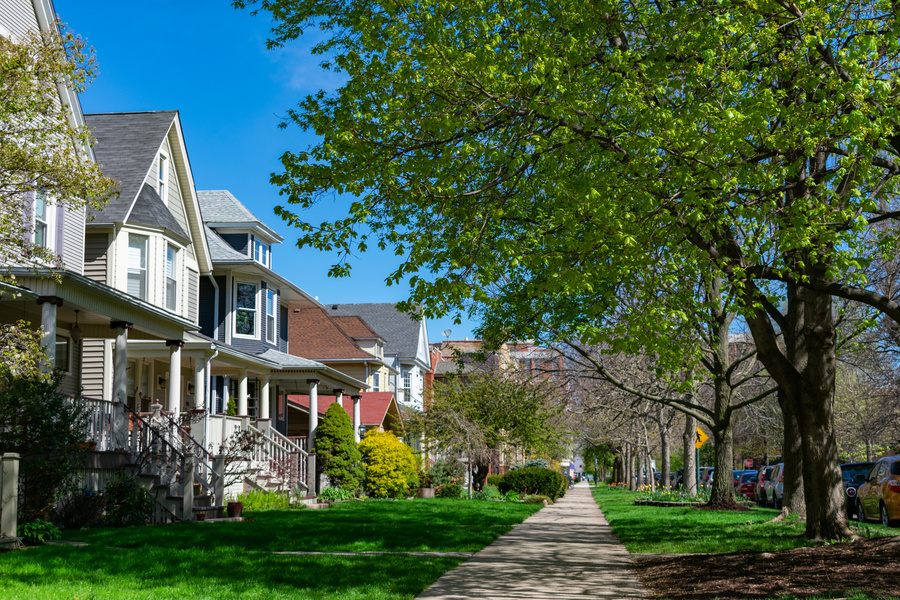
Chicago’s housing landscape includes vintage condos, classic bungalows, multi-unit properties, high-rises, and new construction.
Crucial next steps after your offer is accepted
An accepted offer starts the clock on the review periods in your contract. Have your real estate attorney ready and schedule the inspection promptly so there’s time to investigate concerns and respond within the agreed deadlines.
These reviews serve different purposes:
- Your attorney reviews the agreement.This includes the contract terms, what’s included in the purchase, and how matters such as possession and tax prorations are handled. Flag any uncertainty about parking, storage, or tenant occupancy.
- Your inspector examines the property. For an older Chicago home, bring up concerns you noticed during the showing, such as basement moisture, deteriorating brickwork, or aging equipment. Ask what needs further evaluation by a specialist.
- Your lender reviews the financing. Keep requested documents moving. For a condo, confirm that the lender is also getting the association information it needs.
Before closing, review the final costs with your attorney and lender, confirm possession arrangements, and check agreed repairs during the final walkthrough.
Due diligence on an older Chicago property
An older Chicago home may have been renovated several times under different owners. Before the applicable review deadlines, work through these records with your agent and attorney:
- Renovations and permits – Ask for documentation of major alterations, especially changes to walls, plumbing, or living space. Search the City of Chicago’s building permit and inspection records, then investigate any gaps or discrepancies.
- Past repairs – Request records for previous leaks, structural work, or recurring problems. Find out what caused the issue and how it was addressed.
- Condo association documents – For a resale condo, request the Section 22.1 disclosure materials. These include governing documents and information about association finances, reserves, anticipated capital expenditures, and pending litigation. Check whether building rules permit your intended use.
- Multi-unit use – If you’re buying a two-flat or another rental property, have your team verify the lawful unit count and review leases. Don’t assume a finished basement is an approved rental unit.
Find your home in Chicago with The Moon Group
If you’re buying a home in Chicago, the North Shore, or the Western Suburbs, we can help make the entire process feel much easier.
The Moon Group can help you compare properties and work through the questions that come up along the way.
Led by Brian Moon, our team brings over 30 years of experience in residential sales, construction, development, and renovations to your search across Chicago’s North Side, the North Shore, and the Western Suburbs.
Call us at 773.789.7297 or send an email to get your free real estate consultation.